
Postpartum Healing Essentials You’ll Actually Use in the First 6 Weeks
If you’re preparing for a baby, you’ve probably already made a list of everything your newborn needs. Diapers? Check. Wipes? Check. Tiny clothes they’ll somehow grow out of in five minutes? Check. But what about you? Postpartum recovery requires its own supplies, and what you’ll want on hand can depend on how you give birth. A vaginal birth and a C-section come with different recovery experiences, which means some postpartum healing essentials are going to be specific to the type of birth you have.
Of course, you don’t always know exactly how your birth will go. You may plan for a vaginal birth and end up having a C-section, or you may have a completely different recovery than you expected. That’s why I recommend having a few basics ready before you go into labour and knowing what you can easily order or pick up afterward if you need something you didn’t anticipate.
I’ve personally used many of the products on this list during my own postpartum recoveries, so I’m sharing what I actually found useful rather than simply giving you a giant list of things you might need.
Let’s break it down into three categories: Vaginal birth essentials, C-section essentials, and essentials for everyone.
Vaginal Birth Postpartum Healing Essentials
If you have a vaginal birth, your perineum is likely going to need some extra TLC during those first few weeks. Whether you experienced tearing, an episiotomy, swelling, hemorrhoids, or simply general soreness, having a few comfort items ready can make those early bathroom trips and long periods of sitting much more manageable.
1. Perineal Ice Packs or Homemade Padsicles
One of my biggest postpartum recommendations for anyone recovering from a vaginal birth is to have something cold available for your perineal area. I personally used both disposable perineal ice packs and homemade padsicles. I loved the convenience of the disposable ice packs. I kept some in my master bathroom so I didn’t have to make a trip to the freezer every time I needed one.
And let’s be honest, when you’re freshly postpartum, convenience matters.
I also found that the disposable ice packs stayed cool for longer than my homemade ones. However, the homemade padsicles were much colder when first applied, which I personally found really soothing.
If you’re making homemade padsicles, make sure you’re following safe instructions and avoiding products that could irritate healing tissue. Click HERE to find a homemade padsicle recipe.
Having both options available gave me the best of both worlds: convenience when I needed it and a very cold homemade option when I wanted something extra soothing.
2. Witch Hazel Cooling Pads
Witch hazel cooling pads were another postpartum staple for me. If you’ve ever used Tucks pads, you’ll probably understand the concept. They’re designed to provide soothing relief to the perineal area and can also be helpful for hemorrhoid discomfort.
Personally, I preferred the Frida Mom witch hazel pads because I found I only needed one rather than several Tucks pads at a time. I also liked the packaging because they were easy to dispense.
And that may sound like a small thing, until you’re standing in the bathroom at 2 a.m. holding a newborn while trying to figure out how to make your postpartum bathroom routine as quick and painless as possible.
Small conveniences make a big difference postpartum.
3. Perineal Healing Foam
A good perineal healing foam can be another helpful addition to your postpartum bathroom setup. I personally loved using Frida Moms perineal foam because it provided an additional cooling and soothing sensation and was especially helpful when I was dealing with general soreness and hemorrhoid discomfort.
I used my:
Ice pack + witch hazel pad + perineal foam
together as my postpartum perineal-care routine. This became my go-to trio, and it’s one of the combinations I recommend having available if you’re preparing for a vaginal birth. Of course, everyone’s body is different, and not every product will work for everyone. If you have stitches, significant tearing, or another complication, follow your healthcare provider’s instructions for caring for the area.
4. A Perineal Cooling Cushion
You’re going to spend a LOT of time sitting during those first few weeks.
You’ll sit to feed your baby.
You’ll sit to pump.
You’ll sit on the couch.
You’ll sit in bed.
You’ll sit while someone else holds the baby so you can finally eat something. And if your perineum is sore, sitting can be incredibly uncomfortable.
Donut cushions are often recommended because they can help reduce pressure on the perineal area and may also feel more comfortable if you’re dealing with hemorrhoids. Personally, I preferred a Frida Moms perineal cooling cushion because I liked having different sides and the option for cooling. The important thing isn’t necessarily which specific cushion you buy. It’s having something that makes sitting more comfortable while your body is recovering.
5. A Sitz Bath
A sitz bath is another item worth having on hand after a vaginal birth. A warm sitz bath can be soothing for:
- Perineal soreness
- Swelling
- Discomfort from tearing
- Stitches
- Hemorrhoids
It can also give you a few quiet minutes to yourself, which may be surprisingly valuable during those early weeks. Just make sure you follow your healthcare provider’s instructions regarding when and how to use a sitz bath, especially if you have stitches or experienced complications during birth.
C-Section Postpartum Healing Essentials
A C-section is major abdominal surgery, so your recovery is going to look different from a vaginal birth. Your incision will need time to heal, and everyday movements like getting out of bed, coughing, sneezing, and laughing can be surprisingly uncomfortable in the beginning. Here are a few things that can make those early days more comfortable.
6. An Abdominal Binder or Belly Support
An abdominal binder can provide additional support around your abdomen after a C-section. Some people find that gentle compression and support make movements more comfortable, particularly when coughing, sneezing, laughing, standing, or walking.
I especially like the idea of having one available once you’re becoming more mobile and your healthcare provider has cleared you to use it. That said, a binder should be comfortable, not painfully tight.
Your incision needs room to heal, and a binder isn’t something you should use to force your abdomen into a certain shape.
If you’re unsure whether an abdominal binder is appropriate for you, ask your healthcare provider.
7. High-Waisted or Low-Cut Underwear
After a C-section, you want to avoid underwear and clothing that rub directly against your incision. This is one of those things you don’t necessarily think about until you’re home and suddenly realize that your favorite underwear hits exactly where your incision is.
Having several pairs of comfortable, loose-fitting, high-waisted or low-cut underwear can make a huge difference.
Look for:
- Soft materials
- A comfortable waistband
- No irritating seams
- Enough coverage for postpartum bleeding
- A fit that doesn’t rub against your incision
And don’t worry about looking cute. Postpartum underwear has one job:
Be comfortable.
8. Silicone Scar Patches
Once your incision has completely healed and your healthcare provider says it’s appropriate, silicone scar patches can be an option for caring for your C-section scar.
Silicone products are commonly used to help improve the appearance and texture of healed scars over time. The important part is waiting until the incision is fully healed before putting anything over it.
Don’t put silicone patches, creams, or other products on an open or healing incision unless your healthcare provider has specifically told you to do so.
Scar care is a longer-term process. Your scar may continue changing in appearance, colour, texture, and sensitivity for many months after your C-section.
Postpartum Healing Essentials You’ll Want No Matter How You Give Birth
Some postpartum products are useful whether your baby enters the world vaginally or via C-section. These are the things I would personally want available at home before bringing baby home.
9. A Stool Softener
Let’s talk about something nobody really wants to talk about:
The first postpartum poop. It can be intimidating. After a vaginal birth, you may be worried about your stitches or perineum. After a C-section, you may be worried about your abdominal incision. Either way, you may find yourself sitting on the toilet thinking:
“How exactly is this supposed to happen?”
Constipation can also be common postpartum, especially with certain medications, reduced activity, dehydration, and iron supplements. A stool softener may be recommended by your healthcare provider to help make bowel movements easier.
Follow your healthcare provider’s instructions about whether and how to use one.
And remember:
Don’t be afraid to ask about your poop. Your healthcare providers have heard it all.
10. A Peri Bottle
If you give birth in a hospital, there’s a good chance you’ll be sent home with a peri bottle. And while the hospital version can absolutely do the job, I personally prefer the angled postpartum peri bottles. Why?
The angle.
An angled bottle makes it easier to clean the perineal area while you’re sitting on the toilet without having to twist, reach, or move around as much. And when you’re sore, swollen, possibly stitched up, and trying to use the bathroom while recovering from birth…
Less movement is a good thing.
A peri bottle can also be useful for postpartum hygiene when wiping with toilet paper feels uncomfortable.
Bonus: Don’t Forget Postpartum Bleeding
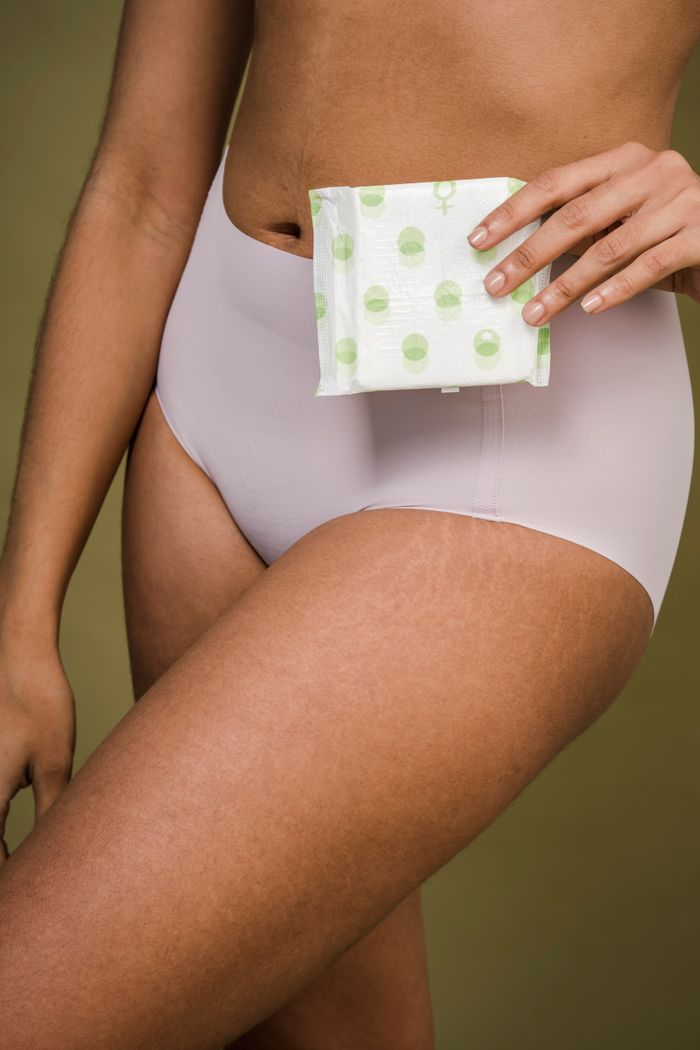
Technically, this makes our list longer than 10, but I can’t talk about postpartum essentials without mentioning postpartum bleeding. Whether you have a vaginal birth or C-section, you’re going to experience postpartum bleeding. Having something comfortable and absorbent on hand is important.
You have a few options, including:
- Disposable adult diapers
- Postpartum underwear
- Period underwear
- Large postpartum pads
Personally, I’ve used both adult diapers and period underwear. I liked period underwear because I found it more comfortable and discreet, and I could continue wearing it long after my postpartum period was over. I also liked adult diapers because they were incredibly convenient, especially during those first few days when bleeding can be heavier. I actually recommend having both available if your budget allows. That way, you have a convenient disposable option while you’re recovering and reusable period underwear available once you feel ready.
Bonus: Heating and Ice Packs
Another item I recommend keeping around is a basic heating or ice pack. These can come in handy for several different postpartum discomforts. Depending on your recovery and your healthcare provider’s recommendations, heat or cold may provide comfort for things like:
- After pains
- General muscle soreness
- Breast discomfort
- Engorgement
- Soreness around a C-section incision
Just make sure you follow your healthcare provider’s instructions about when heat or cold is appropriate, particularly around a surgical incision.
Your Postpartum Healing Won’t Look Exactly Like Anyone Else’s
Here’s the most important thing to remember: Every birth is different, and every postpartum recovery is different. You might have a vaginal birth and have a relatively straightforward recovery. You might have a vaginal birth and experience significant tearing, swelling, or other complications. You might have a planned C-section. You might have an unexpected C-section. You might think you’ll need one thing and end up needing something completely different.
That’s okay.
These postpartum healing essentials aren’t guarantees that your recovery will be easy. They’re simply tools that may make some of the uncomfortable parts of postpartum a little more manageable.
And you don’t necessarily need to buy everything before your baby arrives. I recommend having some basics ready before labour, particularly things you’ll need immediately after birth. But there will always be things you can order or pick up once you’re home and know what your body actually needs.
Your Postpartum Healing Essentials Don’t Have to Be Fancy
You don’t need to spend hundreds of dollars creating the perfect postpartum recovery basket. You don’t need every product that’s trending on TikTok. And you definitely don’t need to buy something just because another mom swears it changed her life. Start with the basics. Make yourself a little postpartum recovery station near the bathroom and wherever you’re going to spend most of your time with your baby.
Think:
Water bottle.
Snacks.
Phone charger.
Peri bottle.
Postpartum bleeding supplies.
Your preferred comfort products.
Medications recommended by your healthcare provider.
And somewhere comfortable to sit.
The goal isn’t to create a picture-perfect postpartum setup. The goal is to make your life a little easier while your body heals. And trust me, during those first few weeks, anything that makes life even 10% easier is worth it.
Most Importantly: Take Care of YOU
You spent nine months preparing for your baby.
You bought the diapers.
You washed the tiny clothes.
You set up the nursery.
You packed the hospital bag.
But don’t forget to prepare for your own recovery, too.
Your body has just gone through pregnancy and birth. You deserve comfort, rest, support, and time to heal.
You don’t have to “bounce back.”
You don’t have to keep your house spotless.
You don’t have to entertain visitors.
You don’t have to prove that you can do everything yourself.
You just had a baby.
Let people help you.
Rest when you can.
Eat.
Drink your water.
Take your medications as directed.
Ask questions.
And give yourself plenty of grace.
Postpartum is a huge transition, and having a few helpful essentials on hand can make those first weeks just a little bit easier.
You deserve to be cared for, too.
Looking for More Postpartum Support?
If you’re preparing for a baby and want more than just a list of products, I’m here to help. I provide postpartum doula support in the Airdrie and Calgary area, helping families navigate those early weeks with practical, emotional, and newborn support.
You can also check out my Postpartum Planning Workbook in the shop to help you prepare for life after birth, not just the birth itself.
Leave a Reply